Thank you! Your submission has been received!
Oops! Something went wrong while submitting the form.



.jpg)


.jpg)






No offers found...

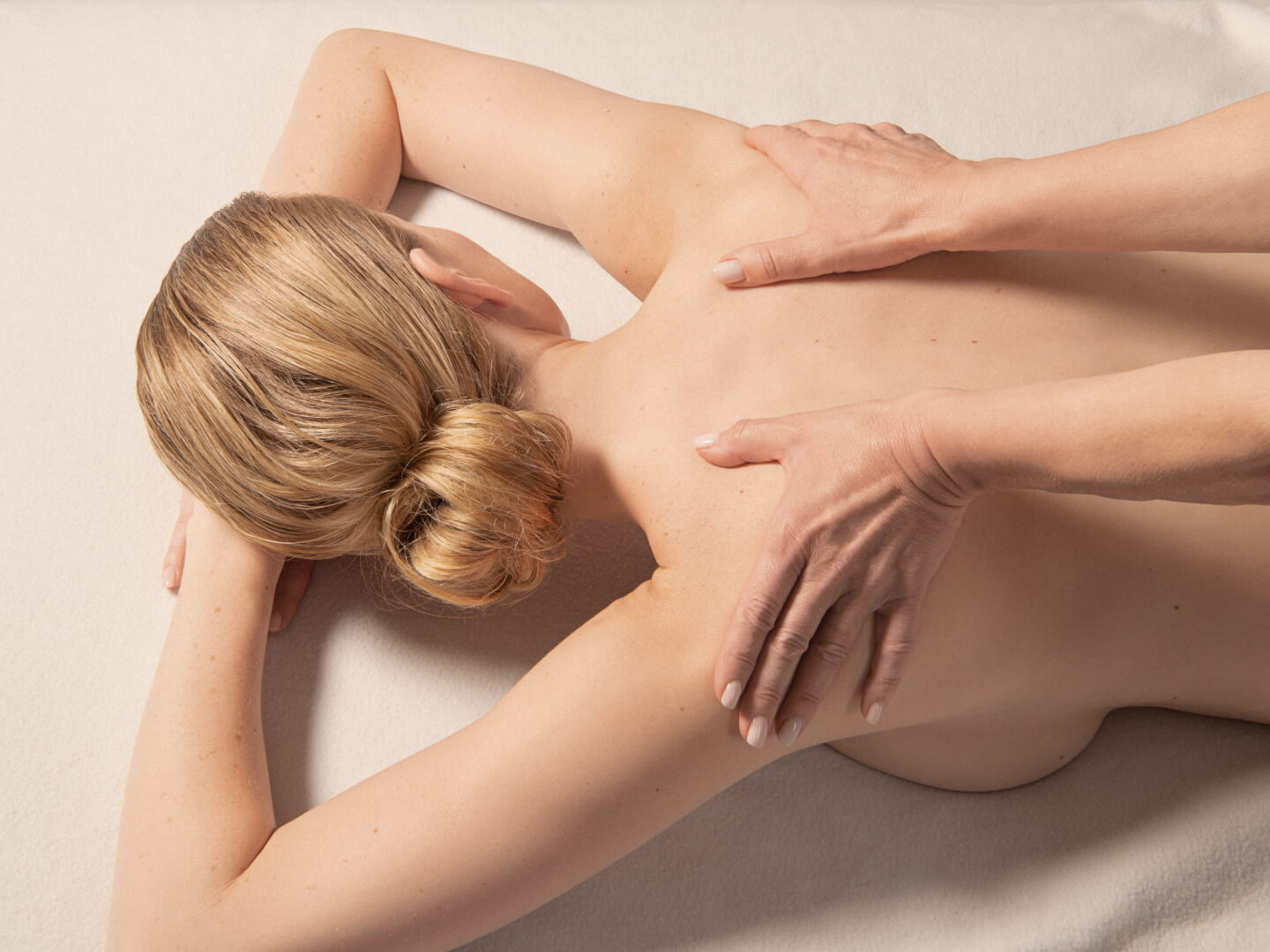
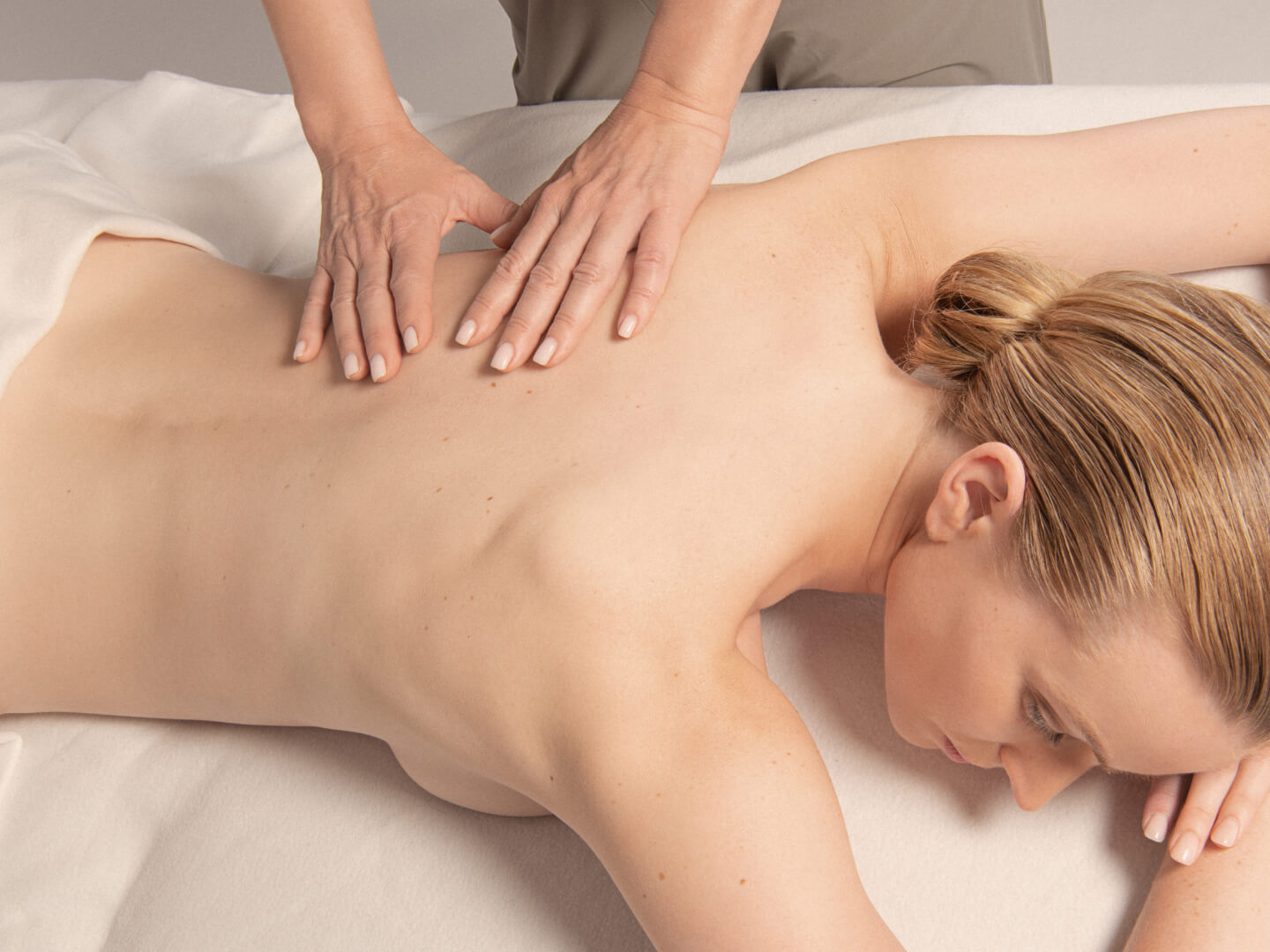
In unserer Klinik bieten wir hierfür individuell abgestimmte Behandlungsprogramme mit LPG® Endermologie und Lymphdrainage an.
Bereits vor einer Liposuktion oder Bauchdeckenstraffung kann die LPG® Endermologie zur gezielten Vorbereitung des Gewebes eingesetzt werden. Die mechanische Gewebestimulation fördert die Durchblutung und den Lymphfluss und unterstützt die Geschmeidigkeit und Mobilität des Gewebes.
In der frühen Heilungsphase stehen die Entstauung des Gewebes und die Unterstützung des Lymphabflusses im Vordergrund.Hierfür kann, abhängig vom Eingriff und nach ärztlicher Freigabe, eine besonders sanfte, maschinell unterstützte Lymphdrainage eingesetzt werden. Die angenehme, rhythmische Behandlung unterstützt den natürlichen Lymphfluss und kann dazu beitragen, postoperative Schwellungen und Flüssigkeitseinlagerungen zu reduzieren.
Nach fortgeschrittener Wundheilung und ärztlicher Freigabe kann die eigentliche LPG® Endermologie-Behandlung beginnen.Nach einer Liposuktion können vorübergehend Verhärtungen, Fibrosen oder Unregelmässigkeiten im Gewebe entstehen. Durch die gezielte mechanische Mobilisation der verschiedenen Gewebeschichten kann die Endermologie die Regeneration unterstützen, das Gewebe geschmeidiger machen und zur Verbesserung von Verhärtungen und Gewebeunregelmässigkeiten beitragen.
Ziel ist es, den Heilungsprozess gezielt zu begleiten und ein möglichst gleichmässiges und harmonisches Behandlungsergebnis zu unterstützen.
An abdominoplasty usually leaves fine, light scars that are only slightly visible after a certain period of time. Depending on the genetics and wound healing, thicker and slightly reddened scar formation may occur in rare cases. The cuts required to remove the tissue are placed so that they are well concealed by underwear or a swimsuit.
Generally, the more stable your body weight, the higher the chance of a lasting result. However, even with a slight weight increase, a lasting improvement in the body silhouette can be expected.
You can expect to be unable to work for around two weeks. In the case of heavy physical labor, incapacity to work can last up to six weeks.
Sportliche Aktivitäten können nach abgeschlossener Heilung (nach ca. 6 bis 8 Wochen) wieder aufgenommen werden.
In principle, every operation involves certain risks (e.g. post-operative bleeding, drug intolerance, wound healing disorders, inflammation, scarring, sensory disorders). They also depend on the individual's state of health. The doctor discusses possible risks with you during the consultation and preparatory meetings.
Abdominoplasty is usually not paid for by health insurance. In the event of extreme excess soft tissue in the abdomen (known as the “fat apron”) following massive weight loss, health insurance will contribute to the treatment costs in certain cases. In cases of twin pregnancies which result in sagging of the abdominal wall leading to medically relevant problems such as rectus diastasis (divergence of straight abdominal muscles), the insurance fund partially covers the costs of such an procedure.
It is extremely important that you always inform the treating doctor about any illnesses and medications you are taking. You should cease taking any blood-thinning medications (aspirin, aspegic or omega-3 fatty acids) two weeks before the procedure. Such medications can cause increased bleeding during surgery and delay the subsequent healing process. The doctor may decide not to perform a planned operation at any time if the surgical risk is increased as a result of the prior use of medication.